
Siri’s New App Actions Have Entered Developer Testing, With App Store Submissions Still Ahead
An iPhone app will not gain every new Siri AI action simply because its owner installs a beta. Apple opened an App Intents developer preview on November 3, allowing app makers to bring their own content and actions into the assistant. Its announcement separates that testing stage from customer delivery and from the later opening of App Store submissions.
Three stages behind one announcement
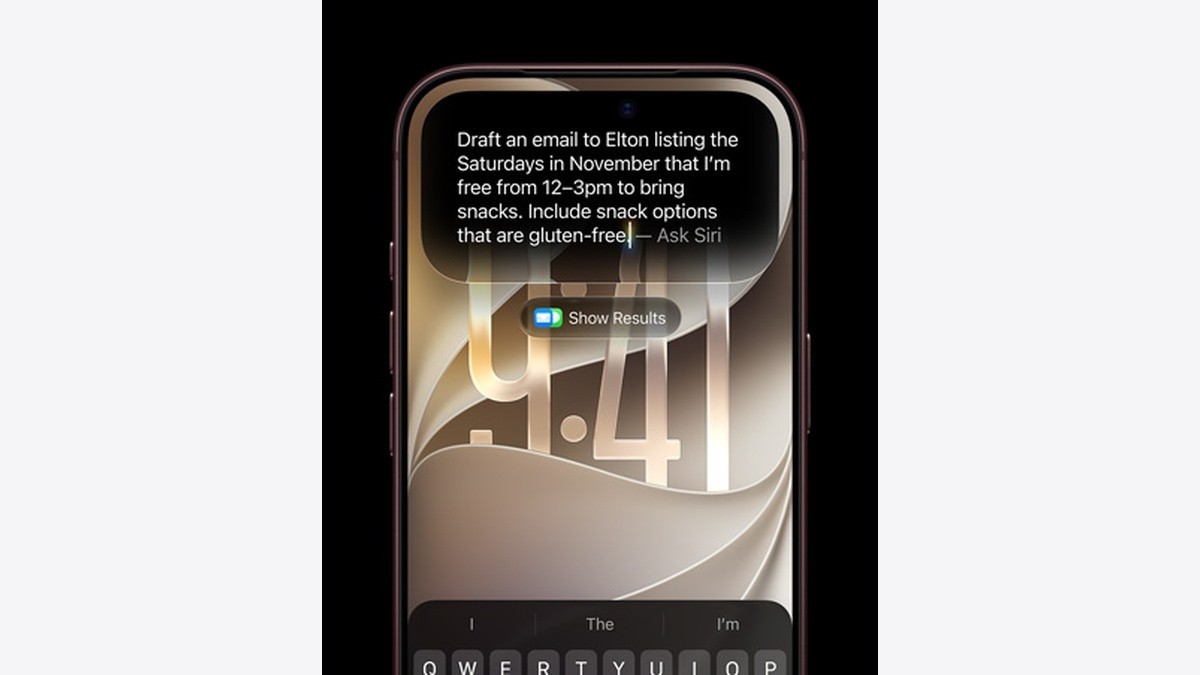
The preview begins with the iOS 27.3, iPadOS 27.3, macOS 27.3 and visionOS 27.3 betas. Developers can explore how their apps work with personal context, onscreen awareness and requests expressed in natural language. Apple also describes skills that combine several actions and broader access to entities in the Spotlight semantic index.
Customer delivery has a different timetable. Apple says the preview comes before shipping to customers in a few months, while App Store submission opens in the spring. It gives no exact public release date in this notice. A developer being able to test an integration now is not a promise that the same action is available in today’s downloaded App Store version.
For an iPhone owner, that creates a useful distinction between an operating-system capability and an app’s implementation. The app maker must expose the relevant action and take it through its own development and release process. Apple’s examples, such as checking a delivery or booking a reservation, illustrate possible custom actions; they do not name every service that currently supports them.
Existing Apple apps are a separate signal
Apple says it has started rolling out new capabilities across its own apps, including Calendar, Mail, Maps, Messages, Notes, Photos, Reminders and Shortcuts. Those examples give developers something to study. They do not establish that a third-party app can already perform an equivalent task.
Before interpreting a failed request as a phone fault, identify which app and action are involved. Check whether its developer actually lists that action as supported, and whether the statement concerns a test build or the public app. Repeatedly reinstalling an app cannot deliver an integration that its developer has not released.
Device and regional limits still apply
Siri AI requires an Apple Intelligence-enabled device and a supported language. The November notice lists English, French, Japanese, Korean, Portuguese and Spanish, with additional languages described as coming later. It also says Siri AI remains unavailable in the EU on iOS, iPadOS and watchOS and is unavailable to users under 13.
Our earlier report on Siri AI’s language expansion explains why language support does not cancel device and regional restrictions. This preview adds another condition: the particular app’s readiness. Apple says further terms and usage-policy details will follow, and some server-based features remain subject to daily limits. The announcement opens development work; it leaves customers waiting for app-specific releases and a firmer delivery date.