
iPhone 18 Pro Teardown Puts Its Variable-Aperture Camera in Focus
A fresh iPhone 18 Pro teardown has put the new variable-aperture main camera under a microscope. The feature is one of the phone’s most ambitious hardware changes. It also appears to be the part owners should treat with the most care.
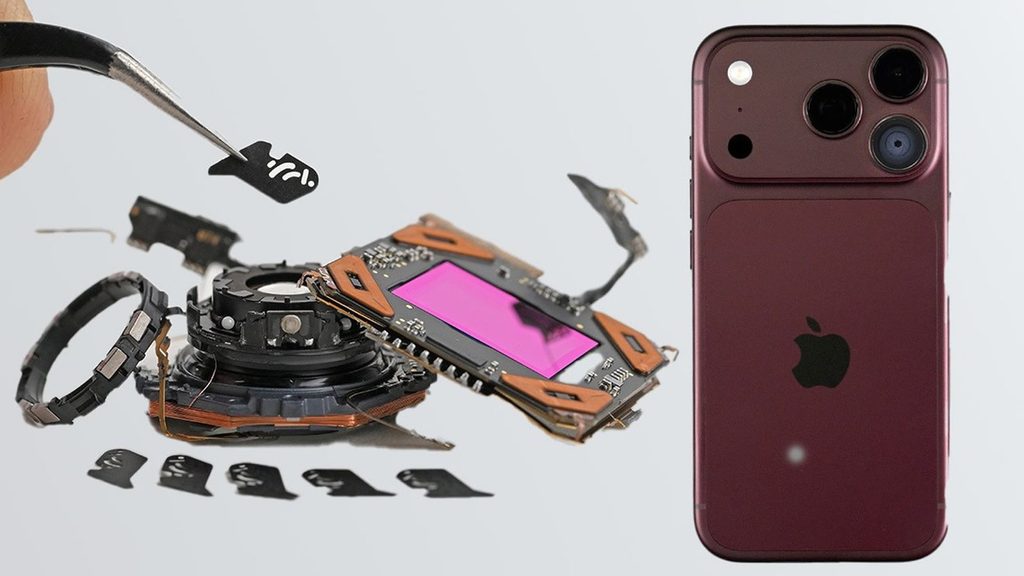
The repair assessment behind the teardown gives the iPhone 18 Pro and iPhone 18 Pro Max a 7 out of 10 for repairability. That is a respectable result for a flagship phone. Still, the camera module shows why a good overall score does not make every repair simple or inexpensive.
What the iPhone 18 Pro teardown reveals
The headline finding is the design of the main camera’s variable aperture. Instead of relying on a fixed opening, the assembly uses a set of tiny moving blades to control how much light reaches the sensor. It is clever camera hardware. It is also more intricate than the parts found in a conventional fixed-aperture phone camera.
A small mechanism with a big job
The moving aperture blades sit inside a very compact camera assembly. They need to open and close precisely, while the phone handles daily heat, vibration, pockets, bags, and the occasional drop. That does not mean the mechanism is fragile. It does mean a fault in this area is unlikely to be a quick, low-cost fix.
Reports from the teardown suggest damage around the aperture can require replacement of the wider main-camera assembly. That is worth knowing for anyone who repairs their own devices or plans to keep the phone for several years.
The repair score needs context
A 7 out of 10 score shows that access to several components remains practical. The display and battery are still the parts most people will think about first. The iPhone 18 Pro teardown, however, is a reminder that repairability scores describe the whole device. They do not make every component equally easy to replace.
Why the camera design matters to owners
A variable aperture is designed to give the camera more control in different scenes. It can help the main camera balance light and depth of field without asking the user to think about the hardware. For everyday shooting, that is the appeal.
The trade-off is complexity. A cracked back, a hard impact near the camera bump, or a repair carried out with the wrong part can carry more risk than it would on a simpler camera system. If you have been following the iPhone 18 Pro launch, this is a useful detail to add to the buying decision.
Cases matter more around the camera bump
A case cannot guarantee protection, but a raised edge around the camera area can reduce direct contact with a table or pavement. Look for one that does not press against the lenses and that leaves the flash and microphones unobstructed. A separate lens cover is more debatable, because poor-quality versions can affect image quality.
What to consider before an upgrade
The iPhone 18 Pro teardown does not make the phone a bad purchase. It simply gives buyers a clearer picture of the hardware they are paying for. Consider these points before choosing a model:
- Buy a protective case if you expect regular outdoor use.
- Check AppleCare+ pricing and repair terms in your region.
- Use a reputable repair provider for camera-related damage.
- Back up photos before any repair that involves the camera assembly.
- Do not judge repairability only by one overall score.
Protect the camera and plan repairs carefully
The variable-aperture camera is a meaningful technical step for the iPhone 18 Pro. It may give photographers more flexibility, but it also adds a mechanism that is harder to service than a standard camera unit. For most owners, the right response is straightforward: protect the camera bump, use qualified repair support if something goes wrong, and enjoy the feature without assuming it is a simple part to replace.