
Apple’s Health AI Study Has Its Own App and Its Own iPhone Requirements
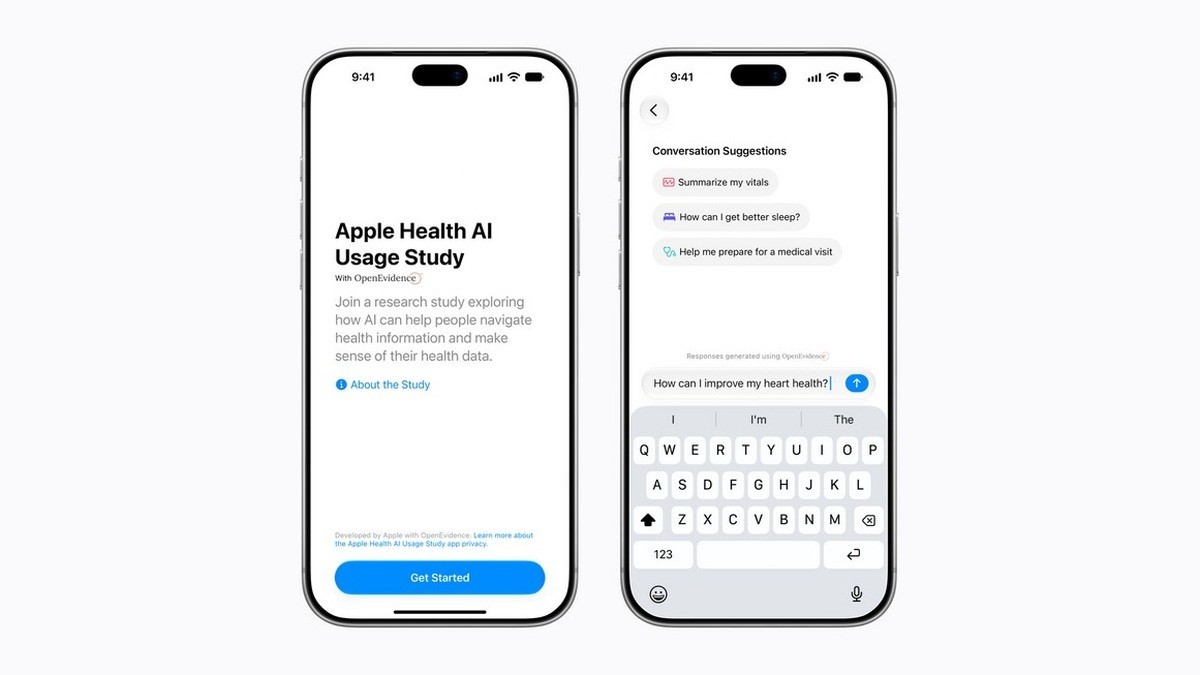
Apple’s new Health AI Study asks US iPhone owners to install a separate app and decide whether to join a research project. You won’t find a new conversation tab waiting for you in Health. Apple announced the study on November 15 with OpenEvidence, and its enrollment requirements are narrower than the list of iPhones that can run the Health app.
Which iPhones qualify?
Apple lists an Apple Intelligence capable iPhone, starting with the iPhone 15 Pro generation, and iOS 26 or later. That leaves the regular iPhone 15 and 15 Plus out even if they have a sufficiently recent iOS version. The useful check is the exact model name in Settings, then General, then About. A software update can cover the iOS requirement on an eligible phone. It can’t add the required hardware support to an older model.
The other limits belong to the study itself. Apple describes it as a US study for eligible adults age 21 and older, with room for up to 200,000 participants. Installing the app lets you read the study information and choose whether to enroll. The figure is a participation cap, so it says nothing about how many people have signed up or what researchers have learned so far.
What a participant can choose to share
The study app lets participants ask questions and see links to clinical sources alongside the answers. Apple says OpenEvidence supplies the AI technology and Apple designed the research experience. The research asks how people understand and use those answers in everyday life. The launch has no results yet showing whether people make better decisions after using them.
The app can also explore how additional context changes the experience. Apple names resting heart rate, sleep, activity and lab results as examples of HealthKit data people may choose to share. The distinction is easy to miss: having those records on an iPhone does not by itself mean you’ve shared them with the study. Review what the app asks for when you enroll, including optional data and survey responses. Apple says study data will not be used to train AI models.
Keep the study separate from other Health updates
Earlier Apple Health beta changes expanded language coverage and came with their own device restrictions. Those changes and the study have different access rules. If your phone already runs those Health features, check this study’s model, iOS, age and US requirements individually. What Apple has made available this week is a way for eligible volunteers to take part in research. It hasn’t announced the release of the study app’s conversational tools to all Health users.